TECH STORIES
Stay updated with the latest developments in technology, web development, AI systems, SaaS platforms, and digital business solutions through our expert articles and insights.
We are no longer witnessing small improvements in technology — we are experiencing a revolution. From artificial intelligence and automation to cloud computing and advanced hardware, today’s innovations are transforming industries at an unprecedented pace. Technology is not just evolving — it is redefining how businesses operate, how people communicate, and how systems think. 🤖 The AI Revolution Artificial Intelligence is at the center of this transformation. Modern AI systems can: AI is no longer experimental. It is becoming the foundation of modern digital infrastructure. 🌐 Revolutionizing Web & Apps Websites and mobile apps are no longer static platforms. They are intelligent ecosystems. Today’s digital platforms feature: Businesses are moving from “online presence” to “digital performance systems.” ⚡ Hardware Driving the Revolution Behind the scenes, hardware innovation is accelerating the pace of change. These advancements enable faster, smarter, and more secure digital experiences. 🔐 Security Reimagined As systems become smarter, security becomes stronger. Modern technologies now include: Security is no longer reactive — it’s predictive. 📈 Business Impact The technology revolution is creating: Companies that adopt revolutionary technologies early position themselves ahead of competitors. 🌙 Final Thought Revolutionizing technology is not just about building faster machines or smarter software. It’s about creating intelligent systems that amplify human potential and unlock new possibilities. The future isn’t approaching — it’s being engineered.
Machines are no longer just tools.They are evolving systems — intelligent, adaptive, and capable of learning from data in real time. From AI-powered software to self-optimizing hardware, the world is entering an era where machines don’t just follow instructions — they improve themselves. 🧠 From Mechanical to Intelligent The evolution of machines has moved through clear stages: Today’s systems can recognize patterns, understand behavior, and optimize performance without constant human intervention. 🚀 AI-Powered Evolution Modern machines now include: This allows applications to: Machines are becoming proactive, not reactive. ⚡ Self-Optimizing Systems Cloud infrastructure now scales automatically based on traffic. Web applications optimize performance dynamically. AI tools refine outputs based on feedback loops. This means systems are learning continuously — adjusting to user behavior, environmental changes, and operational demands. 🌐 The Rise of Smart Hardware Hardware is evolving alongside software: Modern machines can process AI tasks locally without relying entirely on the cloud, improving speed and privacy. 🔐 Built-In Intelligence & Security Security is now embedded at hardware and software levels. Evolving machines include: Machines are learning to defend themselves. 📈 What This Means for Businesses Evolving machines enable: Companies that integrate intelligent systems early gain a significant competitive advantage. 🌙 The Human Role in Evolving Machines Even as machines evolve, they still depend on: The future belongs not just to intelligent machines — but to intelligent people building them. Final Thought Machines are evolving at an unprecedented pace.But their true potential lies in how we design, guide, and integrate them into our world. Technology doesn’t replace human intelligence — it amplifies it.
In an era dominated by artificial intelligence, automation, and powerful machines, one truth remains unchanged: Technology may evolve — but the human mind behind it is still the ultimate advantage. No matter how advanced systems become, it is the person designing, training, and directing them who determines their true power. 🤖 Machines Execute. Humans Strategize. Machines are built to process data, perform calculations, and execute tasks with speed and precision. But they lack: A machine can analyze patterns.A human decides which pattern matters. 🧠 Intelligence vs. Wisdom Artificial intelligence processes information. Human intelligence interprets meaning. Wisdom comes from: These elements cannot be programmed easily. They are developed over time. 🎯 Decision-Making Under Uncertainty Machines perform best when rules are clear. But in business, leadership, and innovation — rules constantly change. Humans: The ability to think beyond algorithms is what makes the human mind powerful. 🚀 Creativity Cannot Be Automated Machines generate outputs based on patterns. Humans create new patterns. Innovation comes from: Every breakthrough technology exists because someone dared to think differently. 🔐 Control & Direction Matter A machine without direction is just hardware. The human behind it: The true power lies not in the machine — but in the mind controlling it. 📈 In Business & Technology The most successful companies understand this balance. They don’t rely on technology alone.They combine: Technology amplifies human capability — it does not replace it. 🌙 Final Thought Machines can process faster.Machines can calculate better.Machines can automate tasks. But the human mind behind the machine — with vision, creativity, and strategic thinking — will always be tougher to beat. Because technology evolves.Human intelligence leads that evolution.
While software continues to evolve rapidly, it’s the advancements in hardware that are silently powering the next generation of digital innovation. From AI-optimized chips to energy-efficient processors, 2026 is proving to be a landmark year for hardware transformation. Let’s explore the biggest changes redefining performance, efficiency, and scalability. 🧠 1. AI-Optimized Processors Are Now Standard Artificial Intelligence is no longer limited to cloud servers. Modern CPUs and GPUs now come with built-in AI acceleration units (NPUs – Neural Processing Units). These AI-focused chips enable: This shift reduces reliance on cloud processing and increases speed, privacy, and efficiency. ⚡ 2. Rise of ARM-Based Architecture ARM processors are gaining massive adoption across laptops, servers, and mobile devices due to: Energy-efficient hardware is becoming crucial as businesses demand sustainable, high-performance systems. 💾 3. Memory & Storage Advancements 2026 has seen major improvements in: Faster storage and memory reduce bottlenecks in data-heavy applications such as AI, gaming, and large-scale web platforms. 🌐 4. Edge Computing Hardware Growth Instead of sending all data to centralized cloud servers, companies are investing in edge hardware that processes data closer to the source. Benefits include: Edge servers and micro data centers are becoming essential for smart cities, IoT systems, and real-time applications. 🔋 5. Energy Efficiency & Sustainability Focus With growing global attention on sustainability, hardware manufacturers are prioritizing: Green computing is no longer optional — it’s part of hardware strategy. 🎮 6. GPU Power & Parallel Computing Graphics Processing Units (GPUs) are evolving beyond gaming. They now power: Parallel processing capabilities are enabling faster, more complex computations than ever before. 🔐 7. Built-in Security at Hardware Level Modern hardware now includes: Security is increasingly being handled directly at the chip level, adding another layer of protection against cyber threats. 📈 What This Means for Businesses The latest hardware changes allow companies to: Strong hardware foundations directly impact software performance and digital growth. 🌙 Final Thoughts Hardware innovation is quietly transforming how digital systems operate. As processors become smarter and storage becomes faster, businesses that invest in modern infrastructure will gain significant competitive advantages. The future of technology is not just software-driven — it’s hardware-enabled.
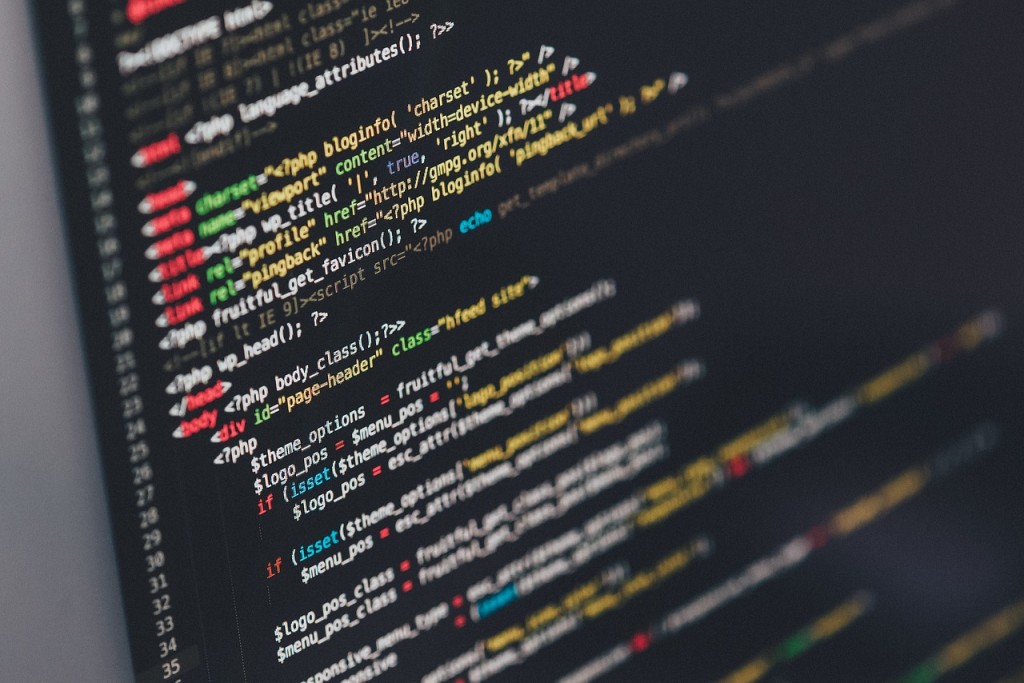
Coding has always evolved — but 2026 marks a distinct shift in how developers think, write, and ship software. The traditional model of manually crafting every component is giving way to smarter, more automated, and future-ready systems. Here’s what’s reshaping the world of code right now. 🤖 1. AI-Assisted Coding Is Mainstream Artificial intelligence is no longer just a helper — it’s a core part of the coding workflow. Modern IDEs now include built-in AI assistants that can: Tools powered by large models are enabling developers to produce scalable, clean code faster than ever before. 🧠 2. Low-Code / No-Code Isn’t Replacing Developers — It’s Augmenting Them While low-code and no-code platforms started as a way for non-coders to build applications, they are now being used within professional dev teams for: Developers are combining these platforms with custom code to spend time on complex logic instead of repetitive tasks. 📦 3. Meta-Frameworks Are Dominating Web Architecture Frameworks like Next.js, Nuxt, and others are rapidly becoming the standard foundation for modern web applications. Why? Because they combine: This structured approach gives developers a predictable architecture, faster builds, and better performance out of the box. 🔗 4. API-First Development Is the Norm Applications are no longer monolithic. They are built as collections of services that communicate through APIs. API-first design enables: Clean API design is now vital for maintainable, scalable software. ⚡ 5. Type Safety and Modern Tooling The adoption of strictly typed languages and tools — like TypeScript — continues to rise because: Strong typing is now considered a best practice in professional software development. ☁️ 6. Cloud-Native & Serverless Architectures Developers are abandoning traditional servers in favor of: Cloud-native code is cheaper, scalable, and easier to manage. Serverless functions allow apps to scale automatically without managing infrastructure manually. 🛡 7. Security Is No Longer an Afterthought With increasing cyber threats, modern coding practices now embed security at every stage: Secure by design is now a requirement, not an option. 📈 What This Means for Businesses and Developers Today’s code is: ✅ Faster to write✅ Easier to scale✅ More secure✅ More automated✅ Better optimized for performance And the developers who master these trends are the ones who will lead the next wave of digital innovation. 🌙 Final Thought Coding in 2026 isn’t just about knowing syntax — it’s about understanding systems. The developers who think in terms of architecture, automation, and intelligence will be the ones shaping the future of technology.